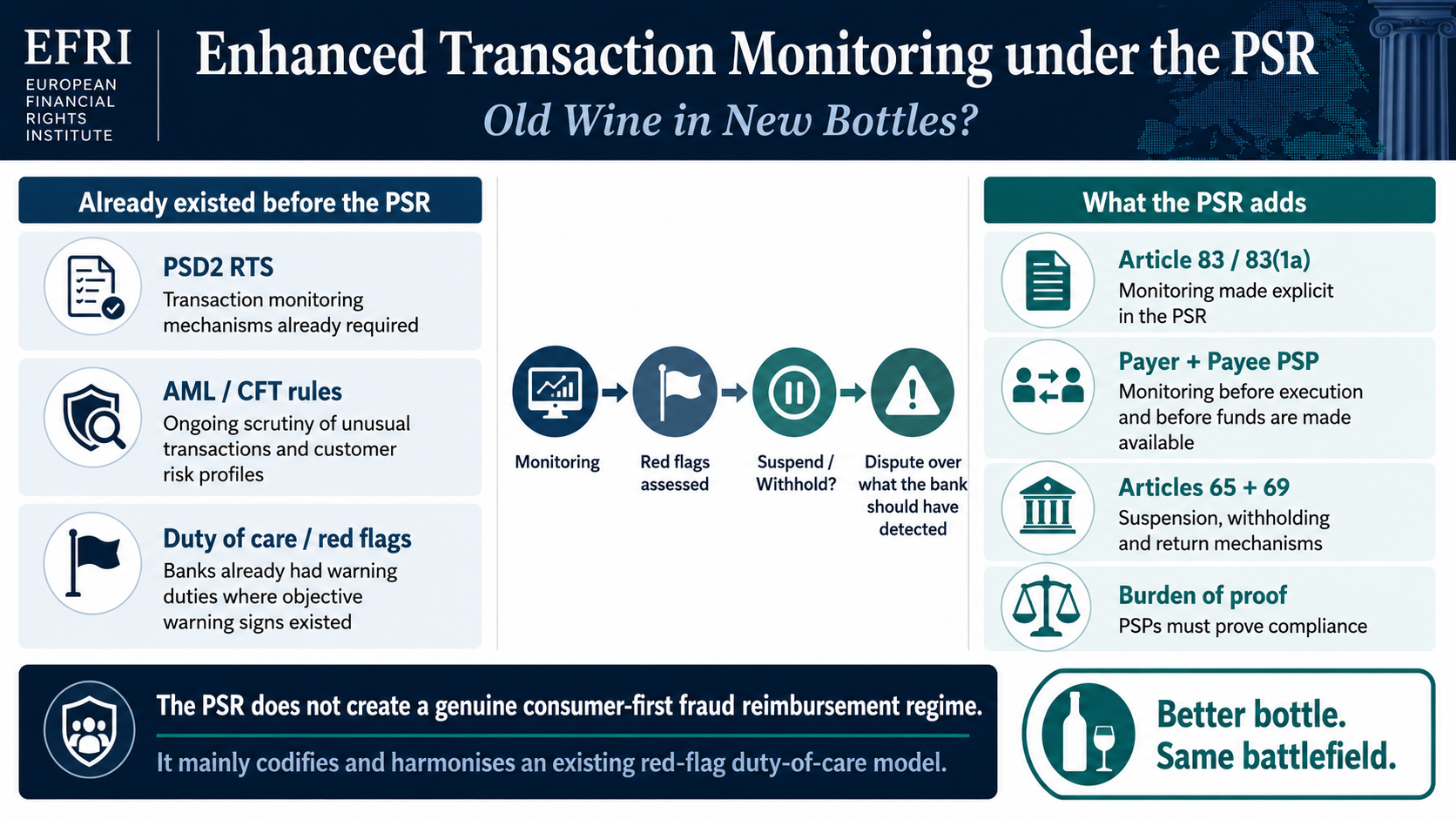
Enhanced Transaction Monitoring under the PSR: Old Wine in New Bottles?
Enhanced transaction monitoring under the PSR is old wine in new bottles. The bottle is better. The protection for victims is still not good enough

Enhanced transaction monitoring under the PSR is old wine in new bottles. The bottle is better. The protection for victims is still not good enough

For years, high-risk merchants, offshore gambling operators and unlicensed online investment platforms have used a simple workaround to access European payment rails: insert an EU-based company into the payment chain and call it a “payment agent”, “payment processing agent” or “collection agent.” The model became popular for obvious reasons.

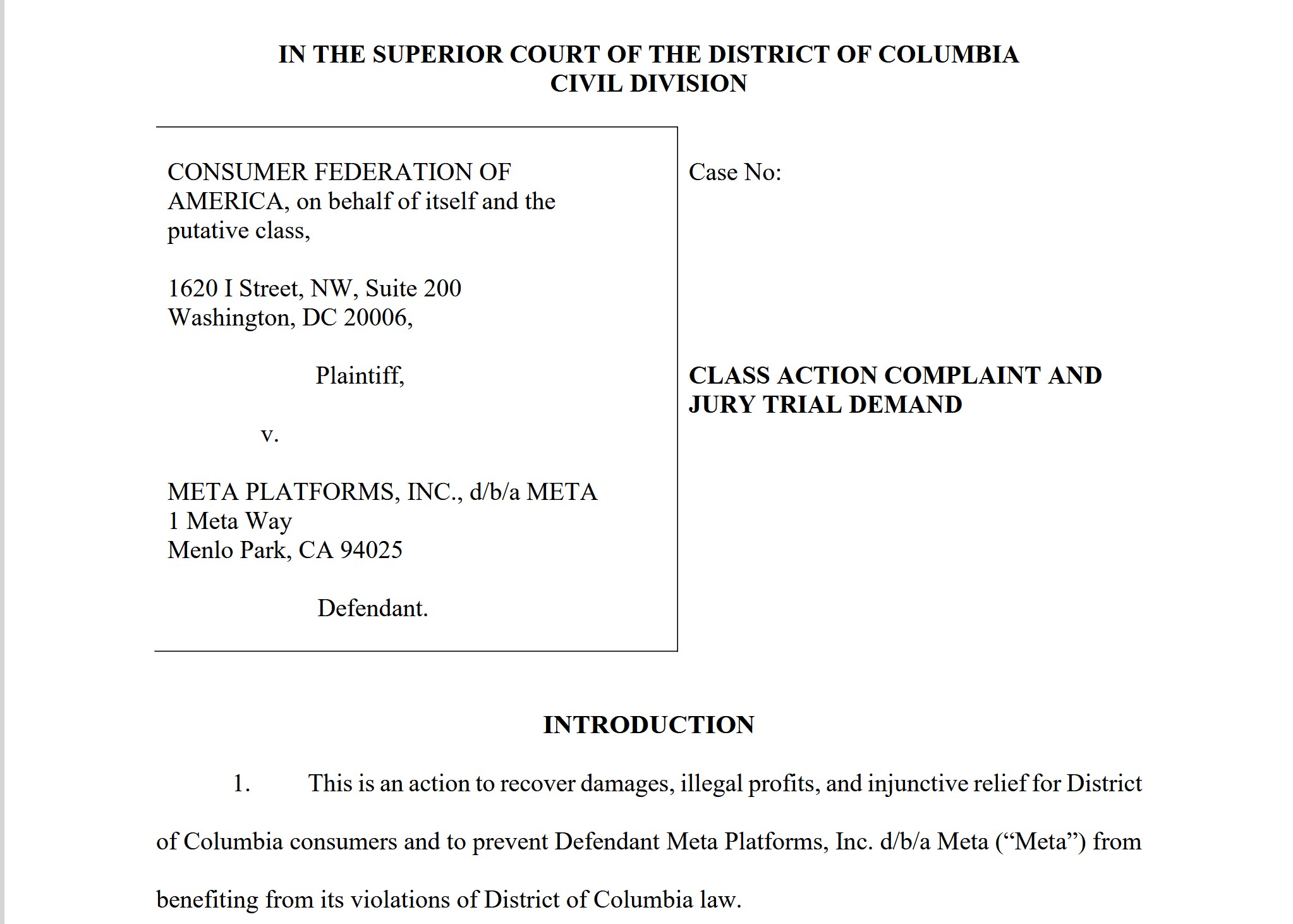
A new lawsuit against Meta deserves attention well beyond the world of social media moderation. On April 21, 2026, the Consumer Federation of America filed a class action complaint and jury trial demand in the Superior Court of the District of Columbia, alleging that Meta misled D.C. users about the

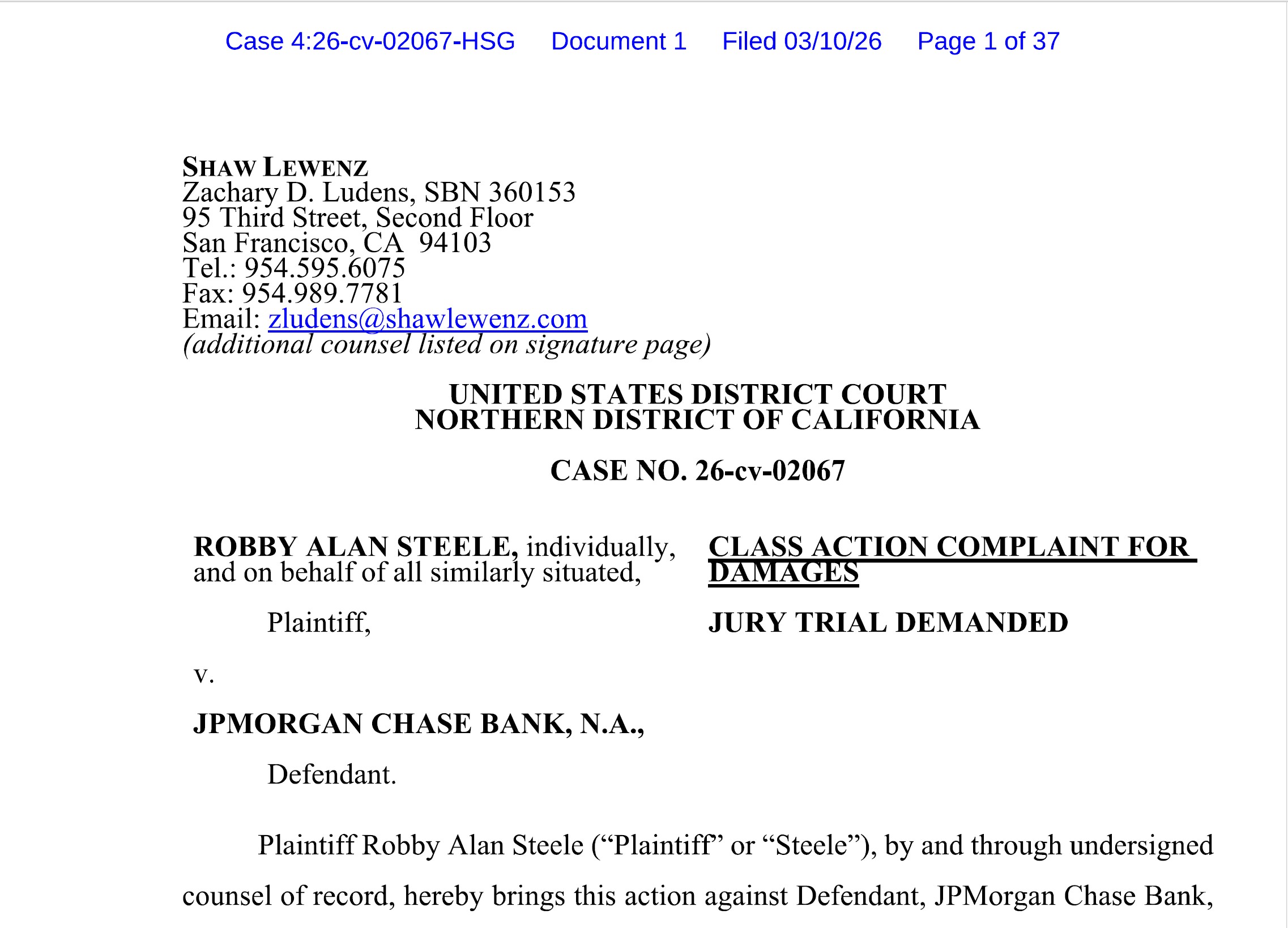
Fraud does not operate on lies alone. It operates on accounts. On payment rails. On internal transfers. On outgoing wires. On institutions willing to keep the machinery running long after the warning signs should have triggered harder questions. That is why the newly filed U.S. class action against JPMorgan Chase

Stablecoins, on-chain crypto-assets pegged to the value of fiat currencies such as the US dollar and Euro (USDT and USDC), are currently used predominantly as the “cash leg” of the crypto ecosystem: they serve as a settlement and liquidity instrument for trading and as a bridge between fiat and crypto

As stablecoins edge closer to mainstream adoption, their implications stretch far beyond digital asset markets. They are emerging as potential pillars of a new global payment infrastructure, prompting concerns not only about monetary sovereignty but also about legal liability and consumer protection. According to the Financial Times, stablecoins are expected