

⚠ Scam alert: Criminals are impersonating EFRI. Do not pay release fees or send ID documents before verifying the message with us. Read warning →
European Funds Recovery Initiative (EFRI)
EFRI is a non-profit association representing victims of online investment fraud. We trace how victims’ money moved through regulated banks and payment institutions, and we hold those institutions to their legal duties.
1,852 documented cases · 21 countries · €66 million reported losses · EU-listed qualified entity since 2025 · About EFRI →
Banking Circle
Same Bank Identifier, Eight Years Apart: Victim Money at Banking Circle’s German Branch
EFRI traces the Saxo Payments and Banking Circle bank identifier across victim payment files from 2018 to 2026, including €29,000 in a newly reported case.
Financial Crime Research
Bit2Me and EURR: One Token, Four Prices
EFRI Case Note · Bitcoinforme, S.L. (Bit2Me), CNMV-authorised crypto-asset service provider · EURR e-money token issued by StablR Ltd (Malta) · Vanadi Coffee, S.A. v
Digital SErvices ACT
Prevention Without Redress: Another EU Scam Response That Leaves Victims with the Loss
The problem is not that the DSA lacks binding obligations — Articles 34 and 35 already impose them — but that prevention and enforcement, by themselves, restore nothing a victim has already lost.
APP fraud
A Response to Rising Fraud: The FCA’s New Fraud Chapter and Why the EU’s Machinery Is Not an Answer
The defining fact behind CP26/38 is a number. By the FCA’s own account, recorded investment-fraud cases rose 26% and losses 40% from 2024 to 2025 (UK Finance data, cited in the consultation’s Question 1).

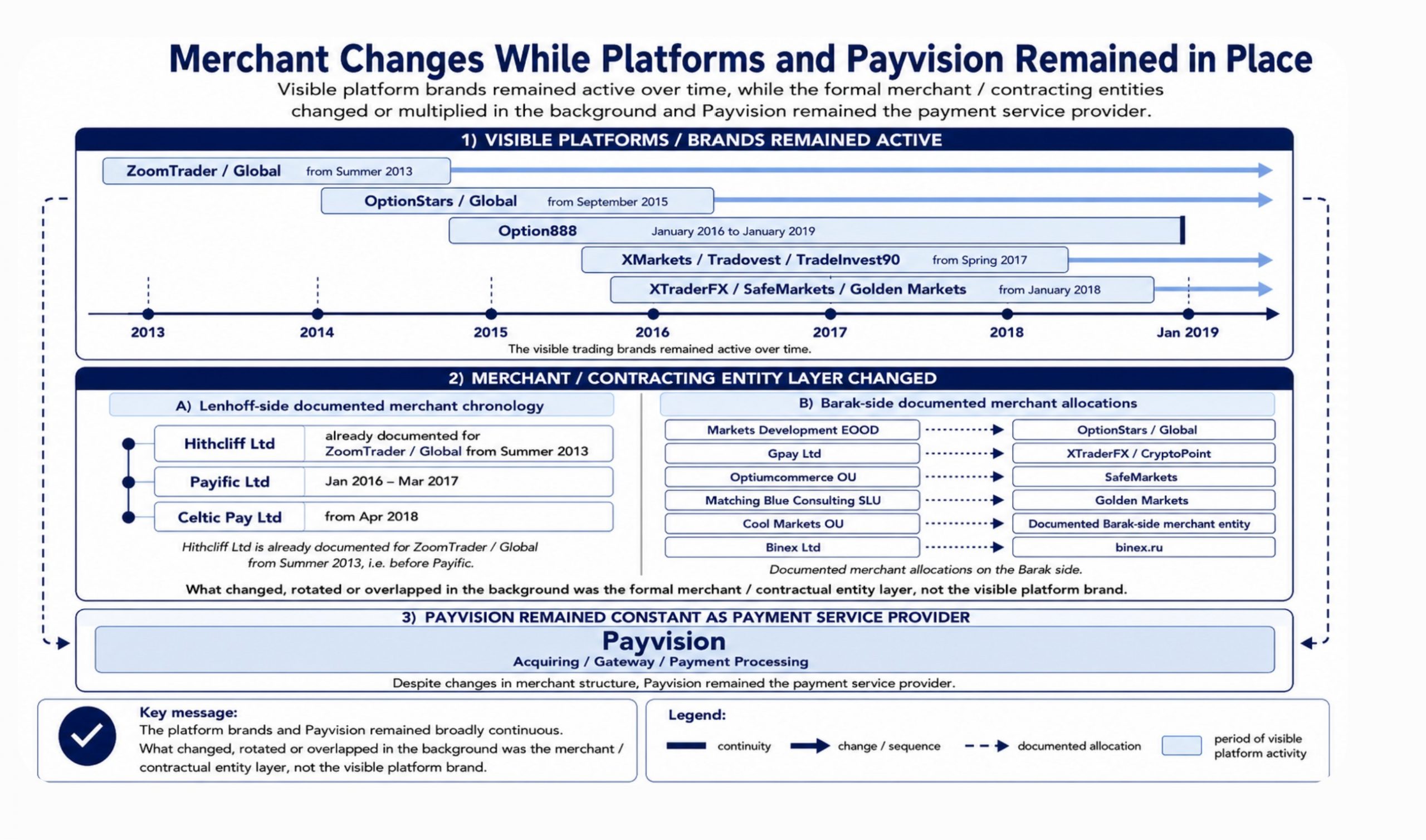
Are you a Victim of Xtraderfx, Optionstars, Safemarkets, Golden Markets?
At the end of January 2019, Gal Barak, the owner of several investment scam websites, including XtraderFX, OptionStars/OptionStarsGlobal, Safemarkets, and Golden Markets, was arrested by

Are you a Victim of Option888, Xmarkets, Tradovest, Zoomtrader?
Uwe Lenhoff, a German national, was arrested on 25 January 2019 in Tyrol, Austria, and faced multiple charges related to fraud. He was identified as


