The Directive for the Rights of Victims (DIRECTIVE 2012/29/EU) in principle prescribes everything needed to protect consumers and care for fraud victims. Based on experiences made by the fraud victims we represent we realised that there is a severe backlog in implementing this Victims’ Rights Directive in many European Union member countries.
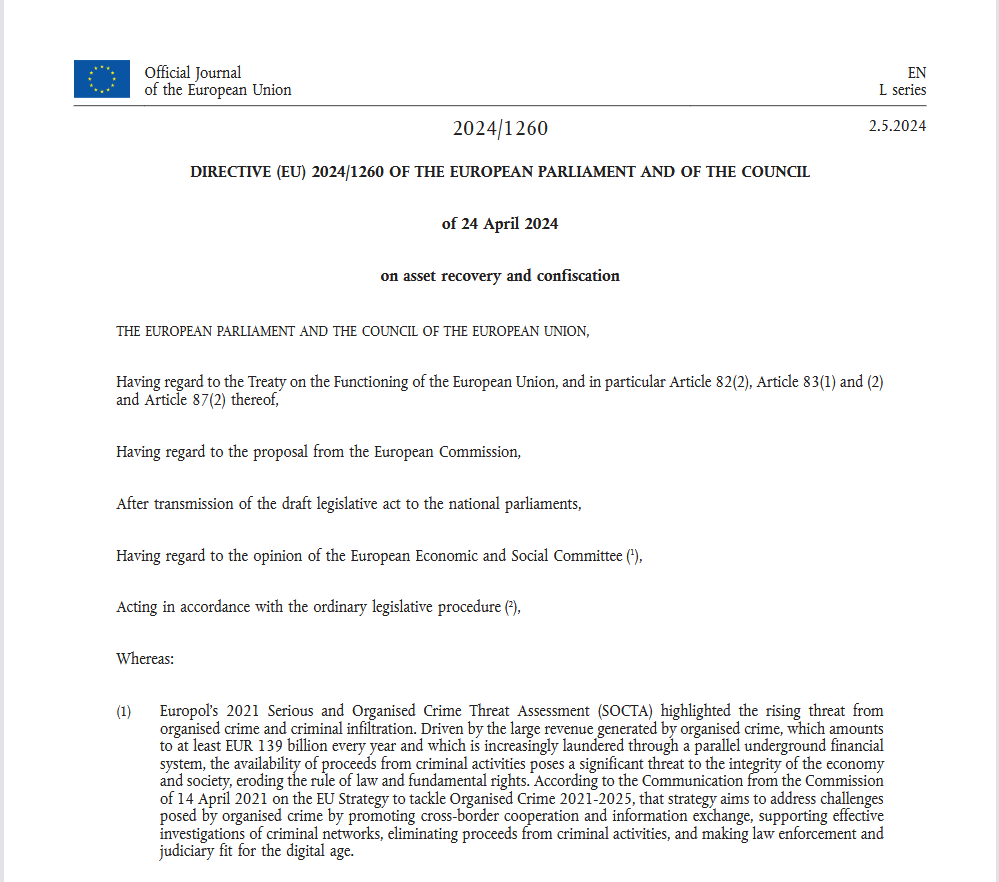
In the wording of the DIRECTIVE 2012/29/EU OF THE EUROPEAN PARLIAMENT AND OF THE COUNCIL of 25 October 2012, the Union attaches great importance to protecting victims of crime (“an open and safe Europe serving and protecting its citizens”). The Directive adopted minimum standards for the protection of and assistance to victims.
The DIRECTIVE claims that:
- A crime constitutes an injustice to society and a violation of the victim’s rights.
- Victims of crime should be recognised as such and treated respectfully, empathetically and professionally.
- In all contacts with competent authorities, the personal situation and immediate needs of the victim of crime should be taken into account. The competent authorities must respect the victim’s physical, mental and moral integrity.
- Victims of crime should be protected from secondary and repeat victimisation, intimidation and retaliation.
- Victims of crime should receive the necessary support to cope with the consequences of the crime and sufficient access to justice.
- There was no respectful treatment at all by the law enforcement authorities.
- The majority of victims were turned away by local police authorities because the case had no chance of success.
- Criminal proceedings are often not opened, citing “unknown perpetrators” and “non-traceability because abroad.”
- Victims’ inquiries to the authorities about the status of the proceedings are perceived as harassment.
- The majority of victims have not been told about their rights as victims (regarding legal provisions) or even about the possibility of participating in criminal proceedings; often, it seems instead that they are perceived as a “disturbing factor”.
- The possibility to inspect the criminal file is either not communicated to the victims or even sometimes denied, and there is no possibility of reviewing the authorities’ presented negative argumentation.
- There is no sufficient information about the nature and consequences of the crime provided to the victims.
- Victims do not get warned about possible re-victimization by recovery scams.