AMLA May Miss the Next Københavns Andelskasse
AMLA’s direct-supervision criteria may miss smaller high-risk banks, EMIs, PSPs and acquirers that enable cross-border fraud despite not meeting size or six-Member-State thresholds

AMLA’s direct-supervision criteria may miss smaller high-risk banks, EMIs, PSPs and acquirers that enable cross-border fraud despite not meeting size or six-Member-State thresholds

EFRI has received a fabricated identification document naming a supposed financial crime investigator and falsely claiming that its holder has access to government registries. The document is fake and was not issued or authorised by EFRI.

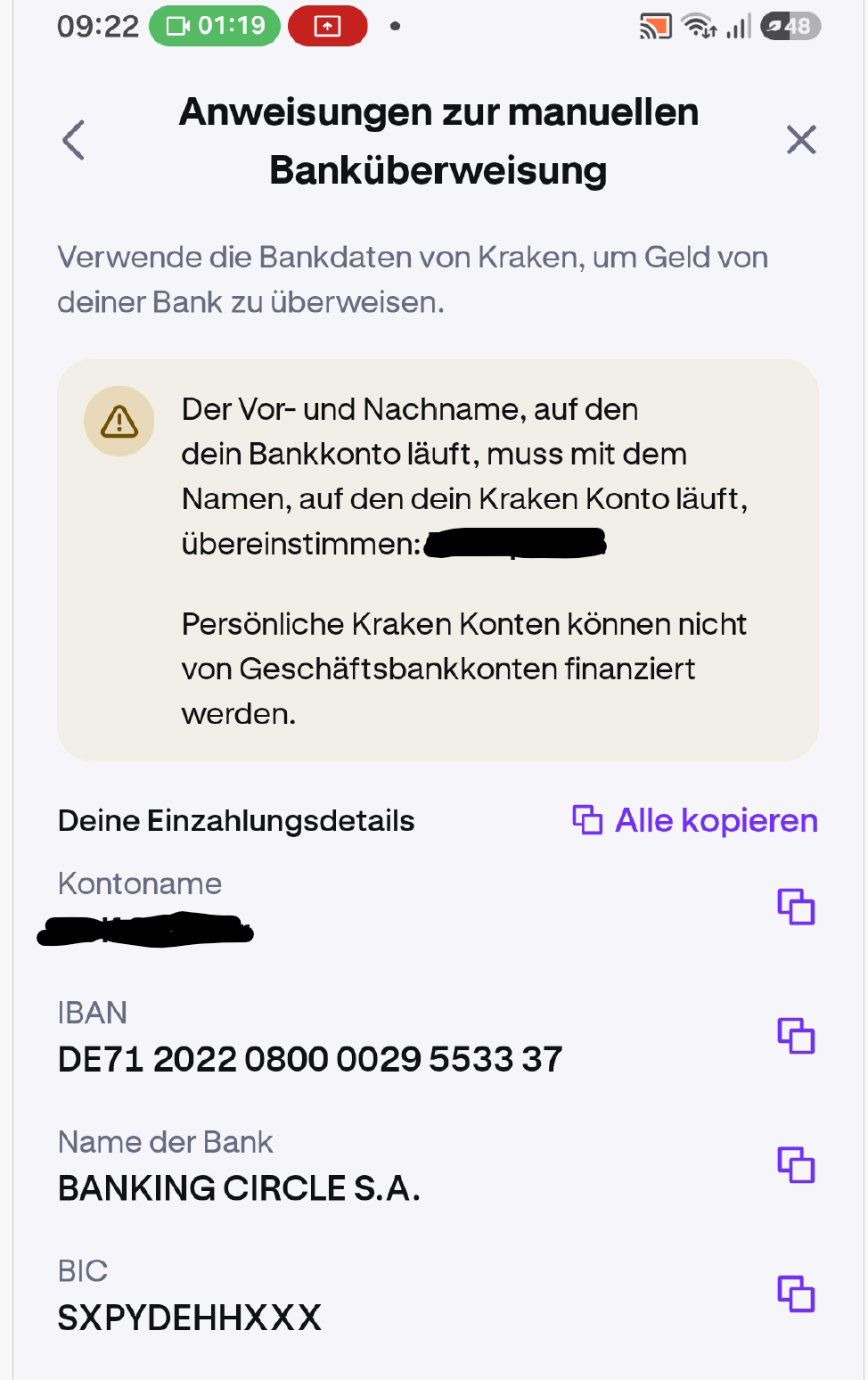
BaFin Warns About Virtual IBANs – But the Problem is Years Old On 27 July 2026, the German financial supervisor BaFin warned that virtual IBANs can become “Trojan horses” in the European payment system. According to BaFin, layered vIBAN structures may be systematically misused for money laundering and digital underground

Hamblin v Moorwand: Why Victims Cannot Fight Alone The Court of Appeal’s decision in Hamblin v Moorwand exposes a wider failure in fraud recovery. Victims are expected to prove what happened inside financial institutions without access to the relevant records, while the cost of obtaining justice can exceed the fraud

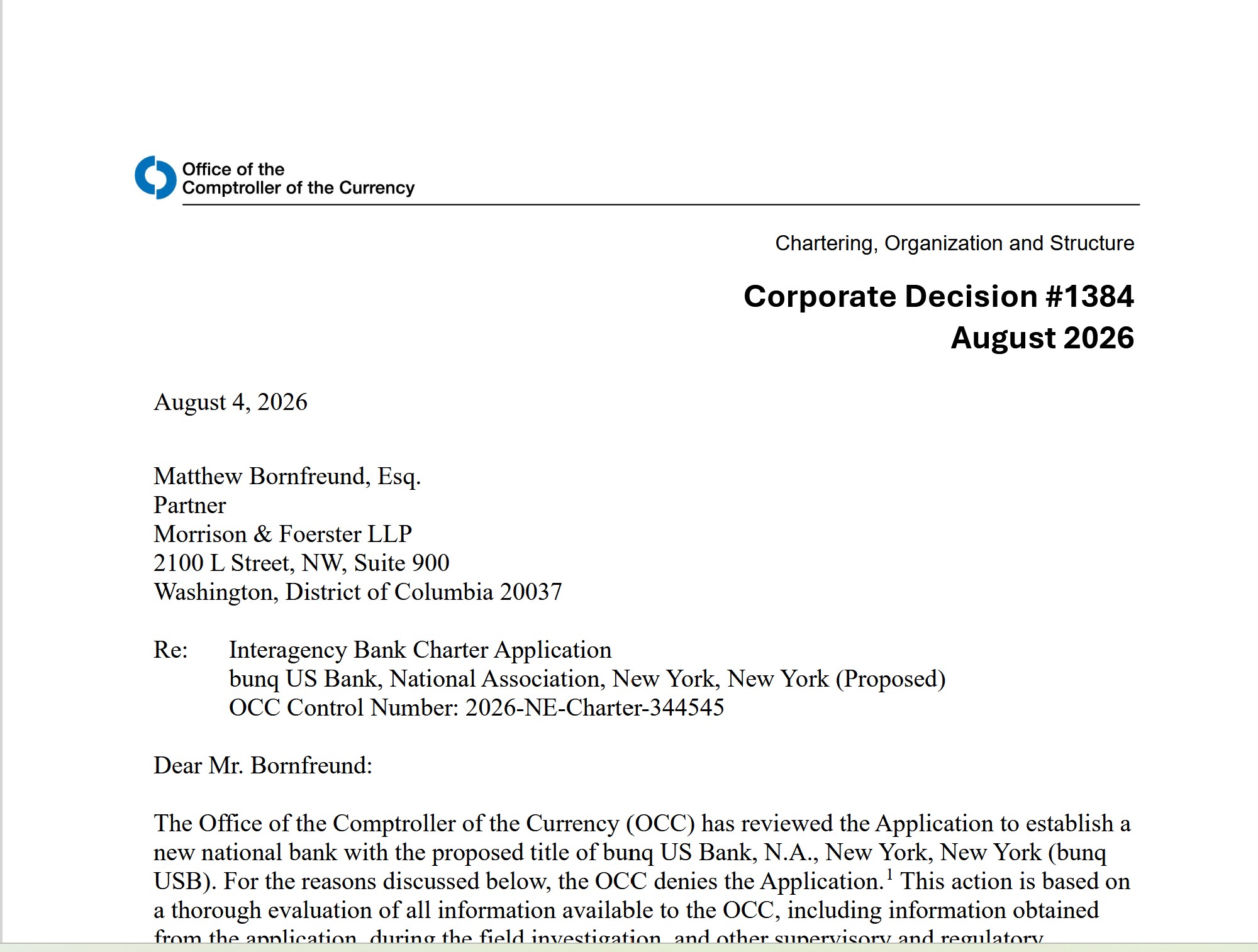
Wise Was Denied a Bank Charter. Will DNB License Qivalis? On 21 July 2026, the US Office of the Comptroller of the Currency has rejected Wise’s application to establish a national trust bank recently. The decision should attract attention far beyond the United States. The OCC did not treat Wise’s

Payment Fraud: Britain’s Bank-Refund Rule Works The first independent evaluation of the UK’s mandatory payment fraud reimbursement scheme is in and it validates the case EFRI has made for years. Forcing banks to refund scam victims cut authorised push payment (APP) fraud on the covered rails by around a fifth,

Malta’s Financial Arbiter repeatedly found that OpenPayd improperly credited payments through opaque vIBAN structures. He referred the breaches to the regulator—then denied compensation and blamed the victims’ “greed and gross negligence

The Wolfsberg Group’s new guidance on banking services for non-bank payment service providers addresses a structural weakness in the payment system: banks provide the accounts through which payment institutions collect, pool and redistribute money, while often seeing only part of the underlying payment chain. Wolfsberg does not treat this limited

AI Fraud: The Mills Review Exposes Financial Enablers The UK Financial Conduct Authority’s Mills Review on AI and the future of retail financial services should not be read merely as a technology report. For consumer protection organisations, it is a warning about the next stage of industrialised financial fraud. The

Københavns Andelskasse and Payvision: Victims Left to Chase Empty Shells Danish authorities have secured another conviction in the Københavns Andelskasse money-laundering scandal. But the case exposes a larger European failure. The victims are not only facing AML breaches. They are facing an enforcement model that confirms wrongdoing after the operating